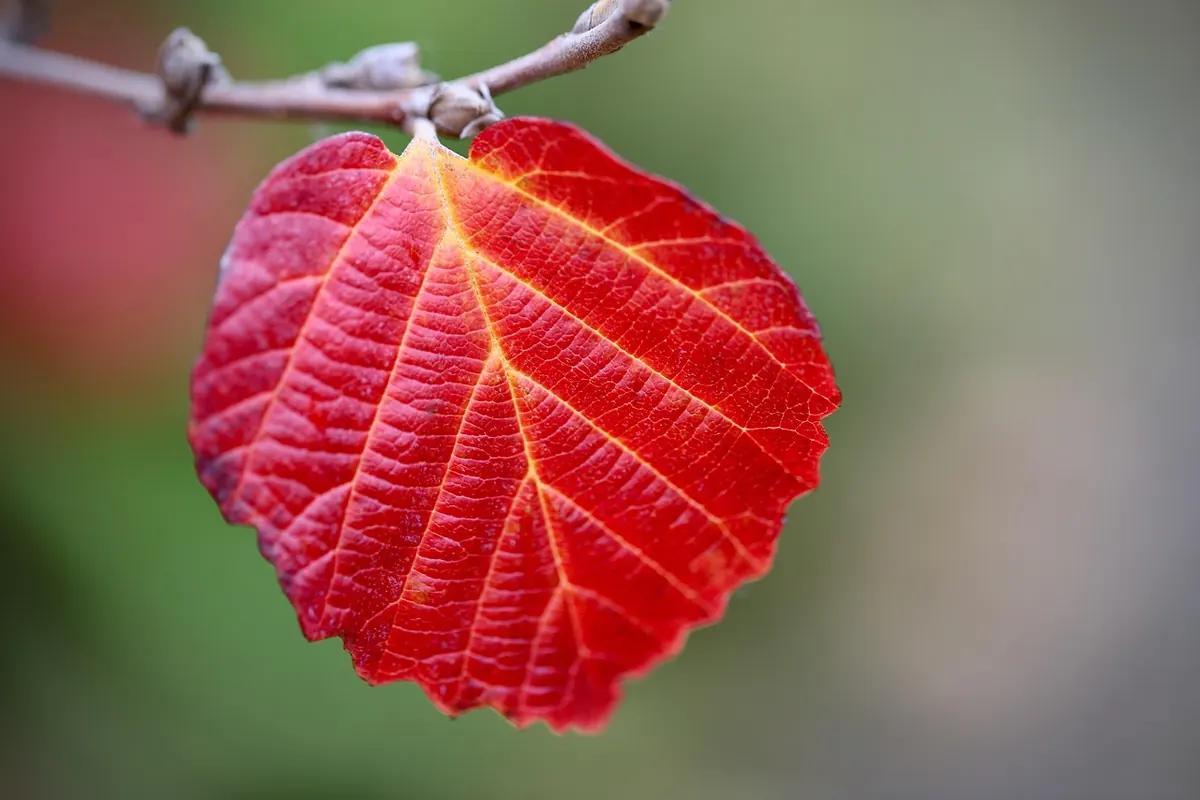
Some time in late September the light goes soft and the evenings start closing in early. The coat comes off the back of the door, the kettle goes on more often, and a walk you took without thinking in July suddenly needs a plan. Autumn asks you to slow down. A notebook is a good place to do it.
What follows are thirty prompts built around that shift: misty walks, hot food, changing routines, and the slow wind-down towards winter. Treat them as starting points rather than homework. Skip what doesn't fit, and take a fortnight over anything that does.
Before You Begin: Ten Minutes and Something Warm
You don't need a leather-bound journal or a fountain pen with a story behind it, though both are pleasant company on a dark evening. What matters is that the notebook is somewhere you will see it and the barrier to opening it is low.
- Keep one notebook for the season rather than three on the go. A small A5 with a ribbon marker will do.
- Use a pen you actually enjoy writing with. If it skips or scratches, you will find reasons not to start.
- Attach the habit to something you already do: after dinner, after the second cup of tea, once the washing-up is done.
- Date every entry. In a month's time, the dates are often the best part.
- Write badly. A page of half-sentences written in ten minutes beats a blank page you meant to fill properly.
Eight Prompts for Misty Walks and Cold Air
Take the notebook out with you if you can, or write these up when you get back with your hands still cold and your coat still on.
- Describe the first properly cold morning you noticed. Where were you, what were you wearing, and what was in the air?
- Walk the same route twice in one week and write down only what has changed: leaves, light, the sound underfoot.
- Write a paragraph of fog. No plot, no reflection — just what mist does to streets you know well.
- List ten things you can smell on an autumn walk. Wet bark, woodsmoke, leaf mould, damp wool.
- Write about a walk you did not want to end, and why you turned back anyway.
- Draw your usual route from memory, roughly, then write about the part you forgot.
- Note the afternoon the streetlights came on while you were still out. What were you doing at that moment?
- Write a short letter to the version of you who walked this same path in June.
Seven Prompts for Comfort Food and Kitchen Tables
Autumn cooking is generous with material. It is also noisy, which means there is plenty to describe.
- Describe the meal that means autumn to you. Start with the sound it makes in the pan.
- Write a recipe from memory — your grandmother's, your flatmate's, your own — including the parts nobody writes down. "Until it looks right." "A good glug." "Don't rush this bit."
- Write about the first soup of the season, and who was at the table.
- Record a kitchen conversation as close to how it was actually said as you can. Dialect, interruptions and all.
- Write one paragraph about being warm indoors while it rains outside. No metaphors allowed.
- List five things you buy in autumn but rarely in summer. Be honest about the biscuits.
- Write about a food you hated as a child and have come round to. What changed?
Seven Prompts for Changing Routines and Shorter Days
The days shrink faster than the calendar suggests. These prompts are about noticing what that does to your ordinary week.
- Write out your ideal autumn weekday, hour by hour, from waking to lights out.
- Note the first evening you needed a lamp before five o'clock. How did it feel?
- Put your summer routine and your autumn routine side by side, in two columns, with honest answers.
- Write about something you are putting off until spring. Is it genuinely seasonal, or just difficult?
- Describe your journey home in the dark. Who else is out there with you?
- Choose one habit you would like to have by the end of the year. What do the first ten minutes of it look like?
- List the small things you do to make coming home feel good — the lamp, the slippers, the kettle, the radio.
Eight Prompts for Winding Down Towards Winter
These are slower, and better done late, when the curtains are closed and the house has gone quiet.
- Write a plain inventory of your evening: what you do between dinner and bed, in order.
- Describe your bed at its most welcoming. Include the weight of the duvet and the temperature of the room.
- Write about the last time you were properly bored. What came afterwards?
- List what you are looking forward to in the dark months. Keep it specific — a particular film, a particular walk, a particular person visiting.
- Write a short piece titled What I Am Not Doing This Winter. Permission, not punishment.
- Write about somebody you would like to see before the year turns. Then write what you would say to them.
- Note three things that went well today. Nothing grand. The bus arriving counts.
- Write a few lines to be read in February. What do you want to be reminded of?
Keeping It Going Through November
The difficult stretch is not October. It is the week in November when it is dark at half past four, you are tired, and the notebook has been under a pile of post for nine days. Plan for that week now.
Pair the writing with something you already do without fail — the last cup of tea of the day, the ten minutes after you get into bed — and set your minimum laughably low. Three sentences is a finished entry. If you miss a week, start again on the day you notice; do not spend a page apologising to yourself.
Two habits help more than any prompt. First, keep the notebook open on a surface you pass, rather than closed in a drawer. Second, read back through it once a month, ideally with a hot drink, and mark the entries you would like to return to. You will find that the throwaway notes about weather and soup turn out to be the ones that carry the season.
If the dark months affect you more heavily than ordinary tiredness — if your mood drops hard every year and lifts again in spring — talk to your GP. A notebook is a good companion, but it is not a substitute for proper help.
Write the season down while it is happening. By January, you will have forgotten how the mist looked on your own street.
Photo: Nennieinszweidrei / Pixabay